StemWave Therapy is a non-invasive regenerative treatment that employs focused acoustic wave technology, a specialized form of extracorporeal shock wave therapy (ESWT). It is designed to address chronic musculoskeletal pain and promote tissue repair by harnessing the body’s intrinsic healing mechanisms. Unlike pharmacological or surgical interventions, StemWave delivers targeted mechanical energy through sound waves to stimulate cellular processes at the site of injury or inflammation, without incisions, injections, or systemic side effects.
The underlying technology utilizes an electrohydraulic system in which a controlled electrical spark within a saline-filled applicator head generates acoustic waves that propagate at supersonic speeds (exceeding 3,500 miles per hour). These waves penetrate deeply into soft tissues—up to approximately 12 centimeters—creating a broad focal zone that allows efficient treatment of larger or deeper areas. Upon reaching the target tissue, the waves induce a phenomenon known as mechanotransduction: the conversion of mechanical stress into biochemical signals within cells. This process activates connective tissue, enhances local blood circulation (through neovascularization), reduces inflammation, and triggers the release of growth factors. At the cellular level, it promotes fibroblast activity for collagen synthesis, supports tissue remodeling, and may recruit and activate endogenous stem cells and progenitor cells to facilitate regeneration. Treatments are typically brief (3–5 minutes per session), require no downtime, and are administered in an outpatient setting with a coupling gel applied to the skin.
From a clinical perspective, StemWave is indicated for minor aches and pains associated with conditions such as tendinopathies, plantar fasciitis, osteoarthritis, and other soft-tissue disorders. It offers a drug-free alternative or adjunct to conservative care, with the potential for sustained improvements in pain, function, and quality of life by addressing the underlying tissue pathology rather than merely masking symptoms. Patient tolerance is generally high, as the focused energy profile minimizes discomfort compared to some radial pressure-wave devices, and sessions can be titrated across multiple energy levels for individualized care.
The scientific foundation for StemWave draws from the broader body of research on ESWT, which has been studied extensively for musculoskeletal applications. While device-specific randomized trials for the StemWave platform itself remain limited (as it represents a branded iteration of established focused shockwave principles), peer-reviewed evidence on analogous ESWT modalities demonstrates consistent benefits. Key examples include the following studies, selected for their relevance to patient outcomes in common conditions:
• In a 2006 multicenter, randomized, placebo-controlled, double-blind trial involving 114 patients with chronic, recalcitrant plantar fasciitis, a single session of focused ESWT (delivering approximately 3,800 shocks with a total energy flux of 1,300 mJ/mm²) produced statistically significant reductions in pain during initial walking (measured by visual analog scale) at 6 weeks and 3 months post-treatment, compared to sham treatment. Success rates, defined by clinically meaningful pain improvement, were also superior in the active-treatment arm, confirming both efficacy and safety for this indication.
• A 2018 clinical study of 384 patients with various tendinopathies (including 103 cases of plantar fasciitis) reported that ESWT led to marked improvements in pain (from a mean Likert-scale score of 2.52 to 0.06 post-treatment), functionality, and quality-of-life metrics, with effects sustained at 4-week follow-up. These gains significantly exceeded those observed with conservative controls (e.g., NSAIDs and exercise), underscoring ESWT’s role in promoting neovascularization, growth-factor release (such as VEGF and eNOS), and natural tissue regeneration. No serious adverse events were noted, affirming its safety profile.
• Systematic reviews of ESWT across soft-tissue conditions further support its utility. For instance, evidence indicates dose-dependent benefits in plantar fasciitis and calcific tendinitis, with focused modalities showing particular promise for deeper tissue repair and pain relief when higher-energy protocols are employed. Broader meta-analyses of ESWT in musculoskeletal disorders consistently report improvements in pain and function relative to placebo or standard care, with favorable safety data.
As with any medical intervention, outcomes can vary based on individual factors such as condition chronicity, overall health, and adherence to complementary therapies (e.g., physical rehabilitation). StemWave is generally considered low-risk, with transient mild soreness as the most common post-treatment effect. Patients contemplating this option are encouraged to discuss its suitability with their healthcare provider, who can integrate it into a comprehensive care plan informed by diagnostic imaging and clinical assessment. Ongoing research continues to refine its applications, but current data position it as a thoughtful, evidence-informed choice for those seeking regenerative, non-pharmacologic relief from persistent musculoskeletal complaints.
Graston
The Graston Technique is a form of manual therapy known as soft-tissue instrument-assisted mobilization. It is one of a number of manual therapy approaches that uses instruments with a specialized form of massage/scraping the skin gently.
The therapy is designed to help identify areas of restriction and to break up scar tissue. The general goals of the therapy are to reduce the patient’s pain and increase function.
Dry Needling
Dry needling is a skilled intervention, based on Western Medicine, that uses filiform needles and other apparatus or equipment to stimulate a myofascial trigger point for the evaluation and management of neuromusculoskeletal conditions, movement impairments, and disabilities. “Myofascial trigger points” are an irritable section of soft tissue often associated with palpable nodules in taut bands of muscle fibers.
The McKenzie Method is a biopsychosocial system of musculoskeletal care emphasizing patient empowerment and self-treatment. This system of diagnosis and patient management applies to acute, subacute and chronic conditions of the spine and extremities. It offers a reliable and practical approach that focuses on “what patients need” and not on “what therapists want to do”. Backed by years of research, evidence and clinical practice.
-Known to show results in as little as two to three visits.
-Assessment driven and individualized treatment plans.
-Active, not passive, therapy strategies for more successful management
-Cost efficient treatment without expensive tests or procedures.
-Non-invasive, no needles, no scalpel.
-Self-directed and managed, we work with you and teach you.
-Preventative lifelong knowledge and skills.
Orthopedic Rehab – Pre/post-operative total knee, total hip, total shoulder, ACL’s, meniscal repairs, rotator cuff injury and repairs, ankle sprain acute care and longer term rehabilitation to prevent re-injury, shin splints, elbow and wrist injuries and pain, carpal tunnel.
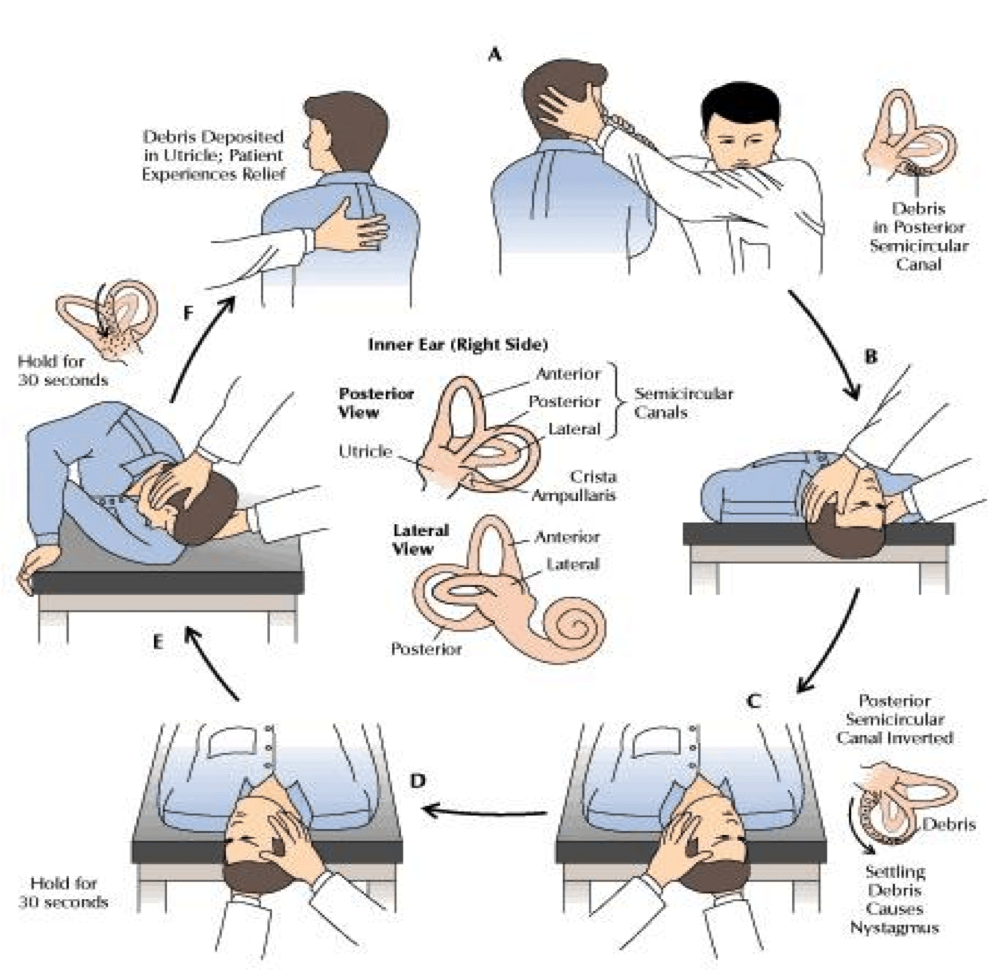
BPPV
Fall prevention, balance Vestibular rehabilitation, BPPV, cervicogenic causes of dizziness/vertigo.
Muscle Energy Technique – Treatment of sacral iliac dysfunction, gluteal and sacral pain, various spinal rotations resulting in neck, middle and low back pain.
Myofascial Release – MFR I, MFR II trained – to treat myofascial and trigger point pain, fibromyalgia and muscular pain throughout the body.
FAQ
How much is a Stemwave Treatment?
Single Treatment $110
Multi Treatment Packages Available At A Discount
How Much does a treatment cost?
Initial Evaluations – $85.00
One Hour Treatments – $80.00
Half Hour treatments – $45.00
Can I submit my bill to my insurance provider?
Yes, I will provide you with all the paper work and medical codes necessary for you to submit to your insurance provider.
Can I pay with my Health Saving Account Debit Card?
Yes, I am able to run any debit or credit card for payment.
Can I submit my bill to my Flexible Spending Account provider?
Yes, I will provide you with all the paper work and medical codes necessary for you to submit to your FSA provider.
Do I need a doctor's referral before I can see a Physical therapist?
The State of Florida has approved direct access to physical therapists, meaning you do not need to go to a doctor first when you are seeking physical therapy.
However, you will need a doctor’s script for any treatments after thirty days.
What are your hours?
All treatments are scheduled by appointment. I try to accommodate each patient’s schedule when creating a treatment plan.
How can I schedule an appointment?
Either call me at phone number 321-917-6390 or email me at honormurphypt@gmail.com
Are there any forms to fill out before I come for my initial evaluation?
Yes, please download and fill out the New Patient Forms and bring the completed forms to your first appointment. The forms are linked on my home page. Click the “New Patient Forms” button and the forms should download into your computer’s “Downloads” folder automatically.